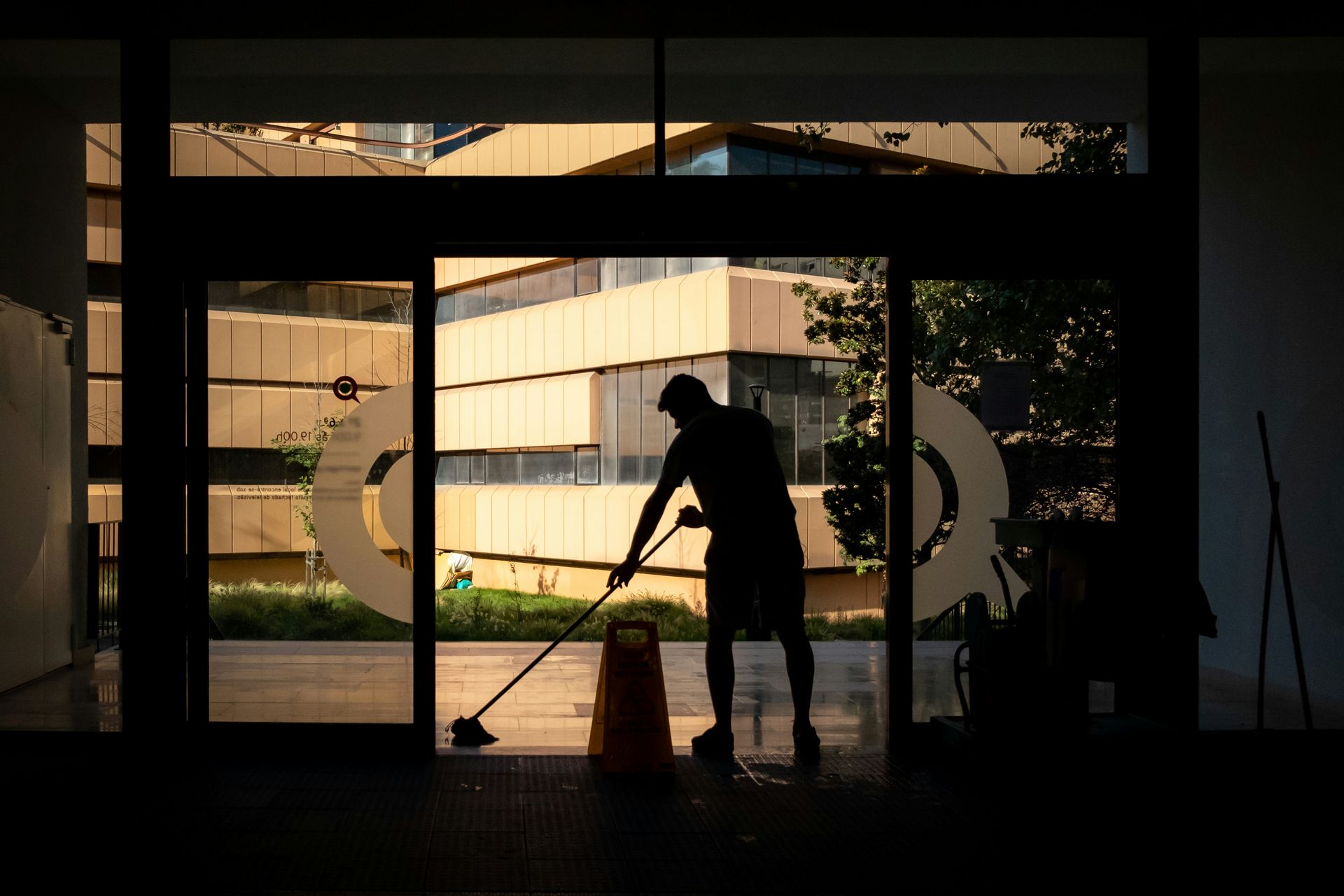
Why Medical Facility Cleaning Standards Matter for Patient Safety
Healthcare environments demand more than surface-level cleaning. Medical facility cleaning requires specialized protocols, premium cleaning chemicals, and strict infection control standards that go far beyond regular commercial cleaning. From rehabilitation centers to therapy facilities, proper cleaning standards create safe environments where patients can focus on recovery without infection risks.
Key Takeaways
- Proper medical facility cleaning reduces healthcare-associated infections and protects vulnerable patients
- Specialized cleaning protocols and premium chemicals are essential for eliminating pathogens in healthcare settings
- Round-the-clock cleaning services ensure continuous infection control and operational readiness
- Professional cleaning contracts provide consistency, accountability, and cost-effective healthcare cleaning solutions
- Rehabilitation and therapy facilities require specialized cleaning approaches for equipment and patient areas
- Compliance with healthcare cleaning standards protects facilities from regulatory penalties and liability issues
The Critical Connection Between Cleanliness and Patient Outcomes
Healthcare-associated infections remain a significant challenge for patient safety, making medical facility cleaning a priority for healthcare providers. Methicillin-resistant Staphylococcus aureus (MRSA) is one of the most common causes of infections that people get in hospitals, while Clostridium difficile (C. difficile) causes approximately half a million infections annually in the United States. Professional healthcare cleaning services use proven protocols to create environments where healing can occur without cross-contamination risks.
Environmental cleanliness affects patient health in several key ways:
- Surface contamination - MRSA can survive on surfaces for weeks, while C. difficile spores can persist for months on hard surfaces
- Vulnerable populations - Rehabilitation and therapy patients often have compromised immune systems or healing wounds that increase infection susceptibility
- Recovery stress - Illness and recovery can weaken immune responses, making patients more vulnerable to environmental contamination
- Area-specific risks - Patient rooms, laboratories, and common areas each present different contamination challenges requiring specific cleaning approaches
Studies show that improved general cleaning can reduce MRSA incidents, while proper environmental cleaning with sporicidal agents like bleach is essential for eliminating
C. difficile
spores. Other antibiotic-resistant bacteria, Vancomycin-resistant
Enterococci
or VRE, can persist on hands for up to 60 minutes and on surfaces for months, making thorough cleaning and disinfection critical for infection control. Healthcare facilities also face substantial costs when infections occur, including extended patient stays, additional treatments, and potential accreditation issues.
Essential Components of Medical Grade Cleaning
Specialized Chemical Solutions and Equipment
Medical facility cleaning requires premium cleaning chemicals designed to eliminate healthcare pathogens while remaining safe for patient environments. Standard commercial cleaners cannot achieve the disinfection level required in medical settings.
Hospital-grade disinfectants must address multiple pathogen types:
- Resistant organisms - MRSA and other antibiotic-resistant bacteria require specific chemical formulations
- Viral pathogens - Various viruses like influenza, Respiratory Syncytial Virus (RSV), Rotavirus, and SARS-CoV-2 (COVID-19) need proper contact times and chemical concentrations
- Spore-forming bacteria - C. difficile spores require specialized sporicidal products like chlorine-based disinfectants
- Material compatibility - Chemicals must effectively disinfect without damaging medical equipment or facility surfaces
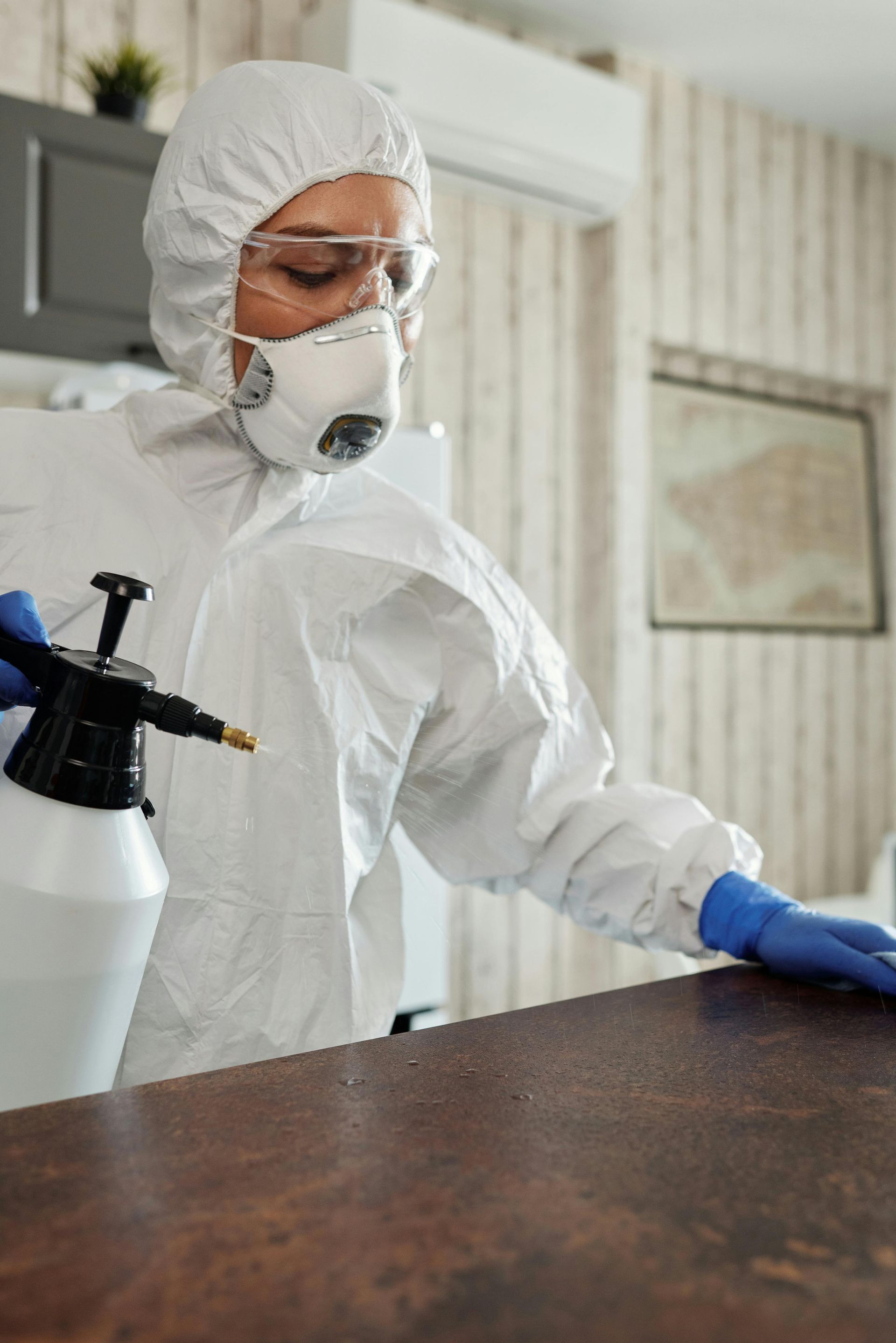
Modern cleaning equipment enhances chemical effectiveness through electrostatic sprayers, UV-C disinfection systems, and HEPA-filtered vacuums. These tools help healthcare cleaning services reach areas that manual cleaning might miss while providing consistent disinfectant application throughout facilities.
Infection Control Protocols
Medical facility cleaning follows strict protocols to prevent cross-contamination between facility areas. These protocols include color-coded cleaning equipment, designated cleaning paths, and specific procedures for handling contaminated materials.
Professional infection control protocols include:
- Color-coded systems - Different colored equipment for different areas prevents cross-contamination
- Cleaning sequence - Specific order from cleanest to dirtiest areas reduces contamination spread
- Two-step process - Initial cleaning removes organic matter, followed by targeted disinfection
- Equipment decontamination - Shared therapeutic equipment receives thorough cleaning between patient uses
Rehabilitation facilities require particular attention to shared equipment cleaning. Patients working with therapeutic equipment need assurance that each device has been properly decontaminated, especially when dealing with open wounds or compromised immune systems.
| Area Type | Cleaning Frequency | Special Requirements |
|---|---|---|
| Patient Rooms | Daily & Between Patients | Terminal cleaning protocols |
| Therapy Areas | Multiple times daily | Equipment-specific protocols |
| Common Areas | Hourly high-touch surfaces | 24/7 service availability |
Staff Training and Certification Requirements
Medical facility cleaning depends on trained personnel who understand healthcare-specific cleaning requirements. Professional healthcare cleaning services invest in staff education, ensuring team members understand infection control principles, proper chemical handling, and facility protocols.
Certification programs for healthcare cleaning professionals cover topics including blood-borne pathogen safety, hazardous material handling, and specialized cleaning techniques for medical equipment. These programs ensure that cleaning staff can work safely in healthcare environments while maintaining the high standards required for patient protection. Ongoing training keeps staff updated on emerging pathogens, new cleaning technologies, and evolving regulatory requirements.
The importance of proper training becomes particularly evident in rehabilitation and therapy settings where cleaning staff must work around delicate therapeutic equipment and patients engaged in treatment activities. Understanding when and how to clean without disrupting patient care requires specialized knowledge that standard commercial cleaning training does not provide.
Quality Assurance and Monitoring Systems
Medical facility cleaning programs include quality assurance measures that ensure consistent service delivery and regulatory compliance. These systems include regular environmental testing, cleaning verification procedures, and detailed documentation.
Modern quality assurance includes:
- Testing methods - Various devices can help measure cleaning effectiveness
- Feedback systems - Regular monitoring allows cleaning teams to address any inadequate results
- Documentation systems - Track cleaning activities, chemical usage, and unusual incidents
- Trend analysis - Data helps identify areas requiring additional attention or modified approaches
Record-keeping supports regulatory inspections and helps facility managers identify patterns requiring attention. Documentation also supports improvement initiatives by providing data on cleaning effectiveness and operational efficiency.
The Value of Professional Cleaning Contracts
Healthcare facilities benefit significantly from establishing comprehensive cleaning contracts with specialized service providers. These partnerships ensure consistent service delivery, regulatory compliance, and cost-effective cleaning solutions that support operational efficiency. Contract-based relationships also provide facilities with access to specialized expertise and resources that would be difficult to maintain with in-house cleaning programs.
Professional cleaning contracts typically include detailed service specifications, quality assurance measures, and emergency response protocols. This level of organization is particularly valuable for rehabilitation centers and therapy facilities that operate extended hours and require flexible cleaning schedules that accommodate patient treatment times. Contracts also establish clear performance expectations and accountability measures that protect both parties.
Contract-based healthcare cleaning services also provide accountability through regular reporting, compliance monitoring, and performance metrics. This documentation becomes essential during regulatory inspections and accreditation reviews, demonstrating the facility's commitment to maintaining appropriate environmental standards. Additionally, contracts often include provisions for staff training, equipment maintenance, and chemical supply management that reduce the administrative burden on facility managers.
The financial predictability of cleaning contracts helps healthcare facilities manage operational costs more effectively. Fixed-price agreements protect against unexpected cleaning expenses while ensuring that service quality remains consistent regardless of facility usage patterns or seasonal variations in cleaning requirements. This stability allows administrators to focus on patient care rather than cleaning logistics.
Round-the-Clock Cleaning for Continuous Care
Modern healthcare facilities often operate around the clock, requiring 24/7 cleaning service capabilities to maintain appropriate standards without disrupting patient care. This continuous approach to medical facility cleaning ensures that contamination risks are addressed immediately and that facilities remain operationally ready at all times. Round-the-clock service becomes particularly important during flu seasons, pandemic responses, or other periods when infection control measures require enhanced attention.
Emergencies, unexpected contamination events, and high patient volume periods all demand immediate cleaning responses that only comprehensive service contracts can provide. Having dedicated healthcare cleaning services available at all hours prevents small issues from becoming major infection control problems. Rapid response capabilities also support emergency departments and urgent care facilities that cannot predict when intensive cleaning will be required.
The ability to scale cleaning services based on facility needs is particularly important for rehabilitation and therapy centers that may experience varying patient loads throughout different times of the year. Professional cleaning providers can adjust service levels while maintaining consistent quality standards. This flexibility ensures that facilities receive appropriate cleaning support during busy periods without paying for unnecessary services during slower times.
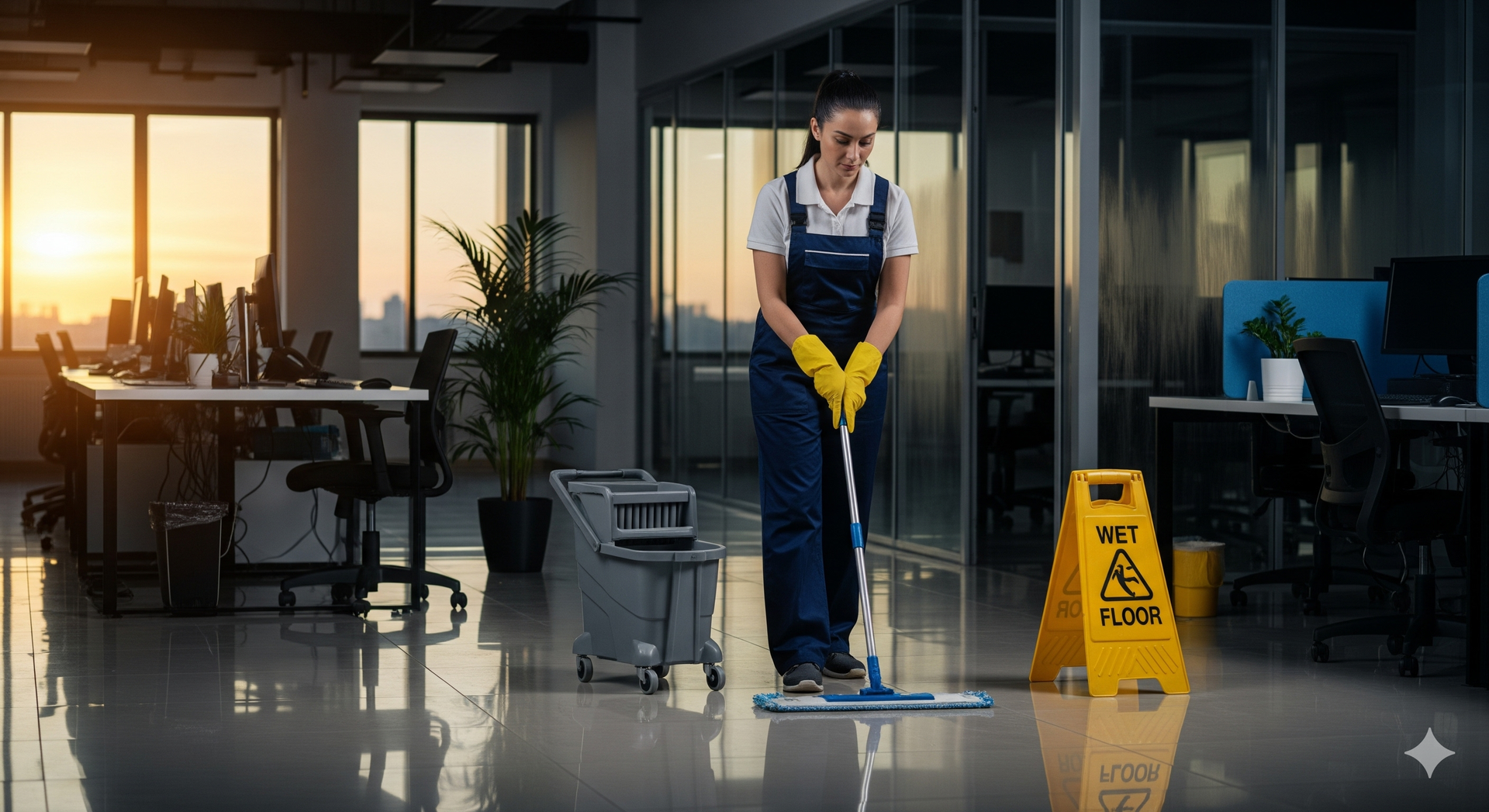
Night shift cleaning operations require special coordination to avoid disrupting patient rest while ensuring that morning operations begin with properly cleaned and disinfected facilities. Experienced healthcare cleaning teams understand how to work efficiently in occupied facilities, minimizing noise and disruption while maintaining thorough cleaning standards. This expertise becomes essential in rehabilitation facilities where patients may be recovering from surgeries or injuries that require uninterrupted rest.
Specialized Considerations for Rehabilitation and Therapy Settings
Rehabilitation facilities and therapy centers present unique cleaning challenges that require specialized knowledge and techniques. These environments combine the infection control requirements of medical facilities with the equipment maintenance needs of fitness and therapy environments. The diversity of equipment, from sophisticated therapeutic devices to basic exercise equipment, requires cleaning staff to understand different materials, surfaces, and maintenance requirements.
Therapeutic equipment such as exercise machines, mobility aids, and treatment tables requires careful cleaning to maintain both hygiene and functionality. Premium cleaning chemicals must be selected to effectively disinfect these surfaces without causing damage to sensitive electronic components or specialized materials. Many therapeutic devices contain delicate sensors or computer systems that could be damaged by inappropriate cleaning products or excessive moisture.
Patient safety in these environments depends on proper cleaning of shared equipment between uses, maintaining clear pathways for individuals with mobility limitations, and ensuring that therapeutic environments remain conducive to healing and recovery. Professional healthcare cleaning services understand these requirements and implement appropriate protocols. Additionally, the cleaning schedule must accommodate therapy sessions, allowing equipment to be properly disinfected without creating delays in patient treatment schedules.
Hydrotherapy pools, rehabilitation gymnasiums, and physical therapy areas each require specialized cleaning approaches that consider both infection control and the unique environmental conditions present in these spaces. Humidity control, proper ventilation, and moisture management become important factors in preventing mold and bacterial growth while maintaining equipment functionality. These considerations require cleaning services with specific experience in rehabilitation facility environments.
Regulatory Compliance and Risk Management
Healthcare facilities face regulatory oversight regarding environmental cleanliness and infection control practices. Professional medical facility cleaning services help ensure compliance with established standards and regulations. These requirements change periodically, making it important for healthcare facilities to work with cleaning services that stay current with standards.
Non-compliance with cleaning standards can result in serious consequences, including regulatory penalties, accreditation issues, and increased liability exposure. Professional cleaning contracts provide documentation and accountability measures that demonstrate due diligence in maintaining appropriate environmental standards. This documentation becomes particularly important when facilities face investigations related to healthcare-associated infections or other patient safety concerns.
Regular compliance audits, staff training documentation, and cleaning verification procedures become part of the facility's risk management strategy. These measures protect both patients and the organization while supporting quality improvement initiatives. Professional healthcare cleaning services maintain current knowledge of regulatory requirements and help facilities implement systems that exceed minimum compliance standards.
The complexity of regulatory compliance extends beyond basic cleaning requirements to include waste management, chemical safety, and environmental monitoring programs. Professional cleaning services coordinate these various requirements into comprehensive programs that address all aspects of environmental safety and regulatory compliance. This integrated approach reduces the administrative burden on healthcare facility managers while ensuring consistent adherence to all applicable standards.
Frequently Asked Questions
What makes medical facility cleaning different from regular commercial cleaning?
Medical facility cleaning requires specialized protocols, hospital-grade disinfectants, and staff trained in infection control procedures. These services focus on eliminating healthcare-associated pathogens rather than just achieving visual cleanliness.
How often should medical equipment be cleaned and disinfected?
Medical equipment should be cleaned and disinfected between each patient use and according to manufacturer's specifications. High-touch surfaces may require hourly attention during periods of heavy use.
What are the benefits of 24/7 cleaning service in healthcare facilities?
Round-the-clock cleaning ensures immediate response to contamination events and maintains continuous infection control. This service level is essential for facilities providing emergency care or operating extended hours.
How do professional cleaning contracts improve healthcare facility operations?
Professional contracts provide consistent service delivery, regulatory compliance documentation, and cost-effective solutions. They also include quality assurance measures and emergency response capabilities that individual cleaning arrangements cannot match.
What special considerations apply to rehabilitation and therapy facility cleaning?
These facilities require careful cleaning of therapeutic equipment and shared spaces while maintaining accessibility for patients with mobility limitations. Cleaning schedules must accommodate treatment sessions and therapy programs without disrupting patient care.
Final Thoughts
Medical facility cleaning standards protect patient safety, ensure regulatory compliance, and support operational efficiency. Professional healthcare cleaning services provide the expertise, equipment, and consistency necessary to maintain safe healing environments. From rehabilitation centers to therapy facilities, proper cleaning partnerships support healthcare providers while protecting patients, staff, and visitors. Maintaining high cleaning standards shows a facility's commitment to quality care and creates conditions for positive health outcomes.
Keep your patients safe and your facility sparkling. Take advantage of our professional medical cleaning services to care for your medical facility's every corner.
Reference:
https://www.mayoclinic.org/diseases-conditions/mrsa/symptoms-causes/syc-20375336