University Cleaning Services Tailored for Large Campus Needs
University campuses are some of the most complex and demanding cleaning environments in the commercial sector. With thousands of students, faculty, and staff moving through dormitories, academic buildings, dining facilities, recreational centers, and specialized spaces like laboratories and healthcare facilities, maintaining a clean and healthy environment on Philadelphia and New Jersey campuses requires more than basic janitorial services. Universities need comprehensive cleaning solutions that understand the unique challenges of educational environments and can adapt to the diverse needs of large-scale operations.
Key Takeaways
- Specialized Expertise Required: University cleaning demands knowledge of diverse environments from dormitories to medical facilities
- Health and Safety Priority: Proper sanitization protocols protect thousands of campus community members daily
- Flexible Scheduling: Services must accommodate academic schedules and minimize disruption to educational activities
- Regulatory Compliance: Campus healthcare facilities require specialized cleaning that meets strict medical standards
- Environmental Considerations: Sustainable cleaning practices align with the university's environmental goals
- Technology Integration: Modern cleaning services utilize advanced equipment and tracking systems for efficiency
Understanding Campus-Wide Cleaning Challenges
University environments present unique cleaning challenges that standard office cleaning services cannot adequately address. Academic institutions operate around the clock with varying activity levels throughout the day and season.
Primary Campus Cleaning Challenges:
- Diverse Facility Types: Dormitories require residential-style cleaning while lecture halls need rapid turnarounds between classes
- Specialized Environments: Laboratory facilities demand chemical safety protocols and healthcare centers require medical-grade sanitization
- Scale Complexity: Single campuses may cover millions of square feet across dozens of buildings with different materials and usage patterns
- High-Traffic Areas: Student unions and dining halls experience constant use, requiring multiple daily cleaning sessions
Student Population Demands:
- Academic Calendar Variations: Usage patterns change dramatically during exam periods, breaks, and special events
- Residential Needs: Move-in and move-out periods require intensive deep cleaning and furniture management
- Cultural Sensitivity: International student populations may have different hygiene expectations requiring adaptive approaches
- 24-Hour Operations: Study areas during finals week need flexible cleaning schedules that maintain sanitary conditions
Comprehensive Service Categories for Academic Environments
Academic Building Maintenance
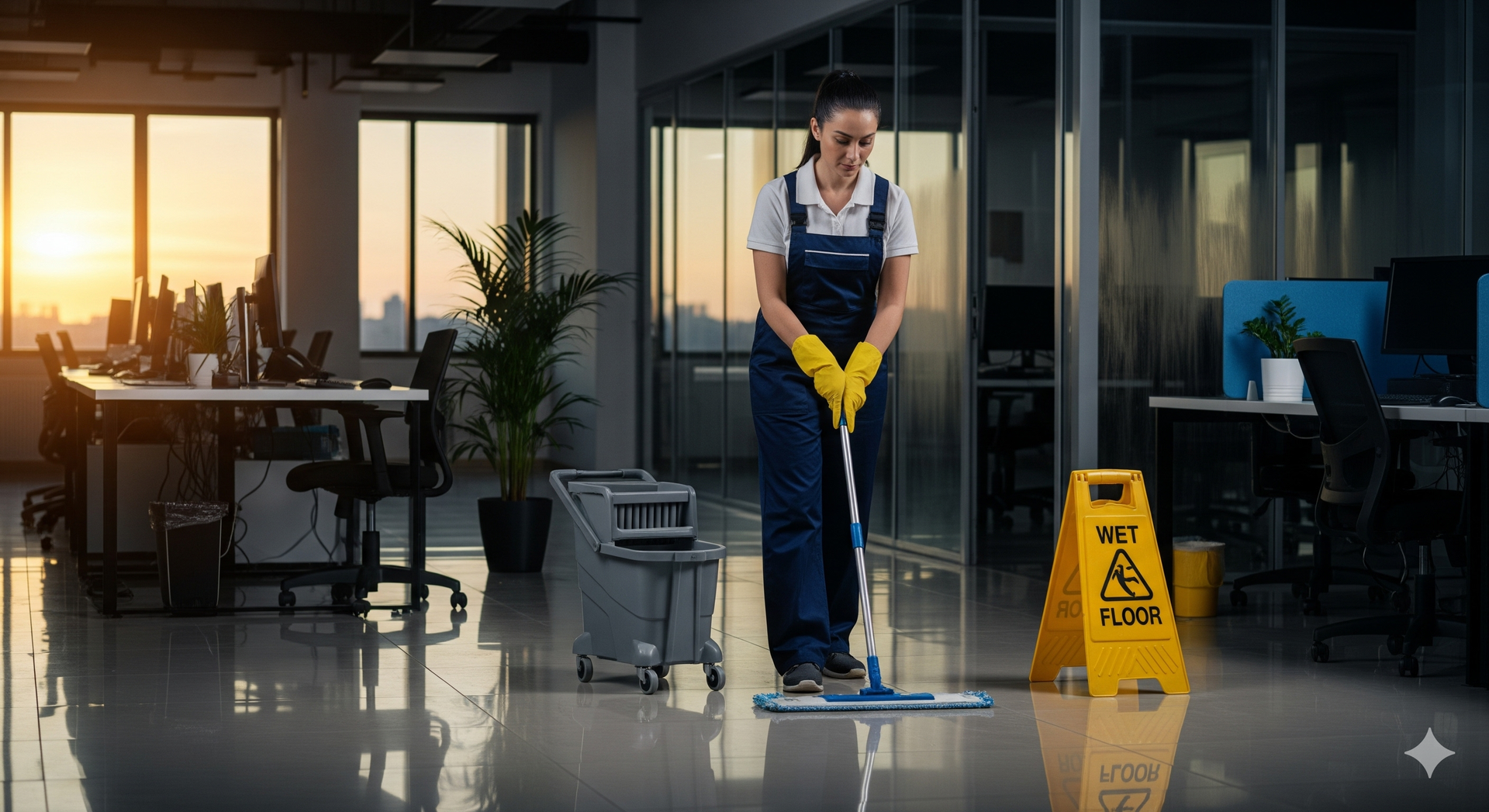
Lecture halls, classrooms, and seminar rooms form the heart of university operations and require meticulous attention to detail. Floor cleaning services become particularly critical in high-traffic academic buildings where thousands of students traverse hallways daily.
Core Academic Space Requirements:
- Rapid Turnarounds: Efficient cleaning between classes without disrupting back-to-back sessions
- Technology Protection: Specialized care for whiteboards, projectors, and interactive displays
- Air Quality Management: Coordination with ventilation systems for optimal indoor environments
- Mixed-Use Adaptability: Single buildings housing lecture halls, labs, and faculty offices need varied protocols
Specialized Academic Facilities:
- Library Environments: Dust-free maintenance around book collections with quiet operation requirements
- Computer Labs: Sensitive equipment protection with static-free cleaning procedures
- Laboratory Spaces: Chemical safety protocols and specialized waste handling procedures
Residential Facility Services
Dormitory cleaning presents unique challenges that bridge residential and commercial cleaning requirements. Student living spaces require regular maintenance that respects privacy while ensuring healthy living conditions.
Residential Cleaning Components:
- Common Areas: Lounges, kitchens, and study spaces need frequent attention during peak usage periods
- Shared Facilities: Bathrooms and laundry facilities require multiple daily cleaning sessions
- Privacy Considerations: Cleaning around personal belongings while respecting quiet hours and study schedules
- Seasonal Deep Cleaning: Summer programs allow comprehensive furniture cleaning and room sanitization
Specialized Healthcare and Support Facility Cleaning
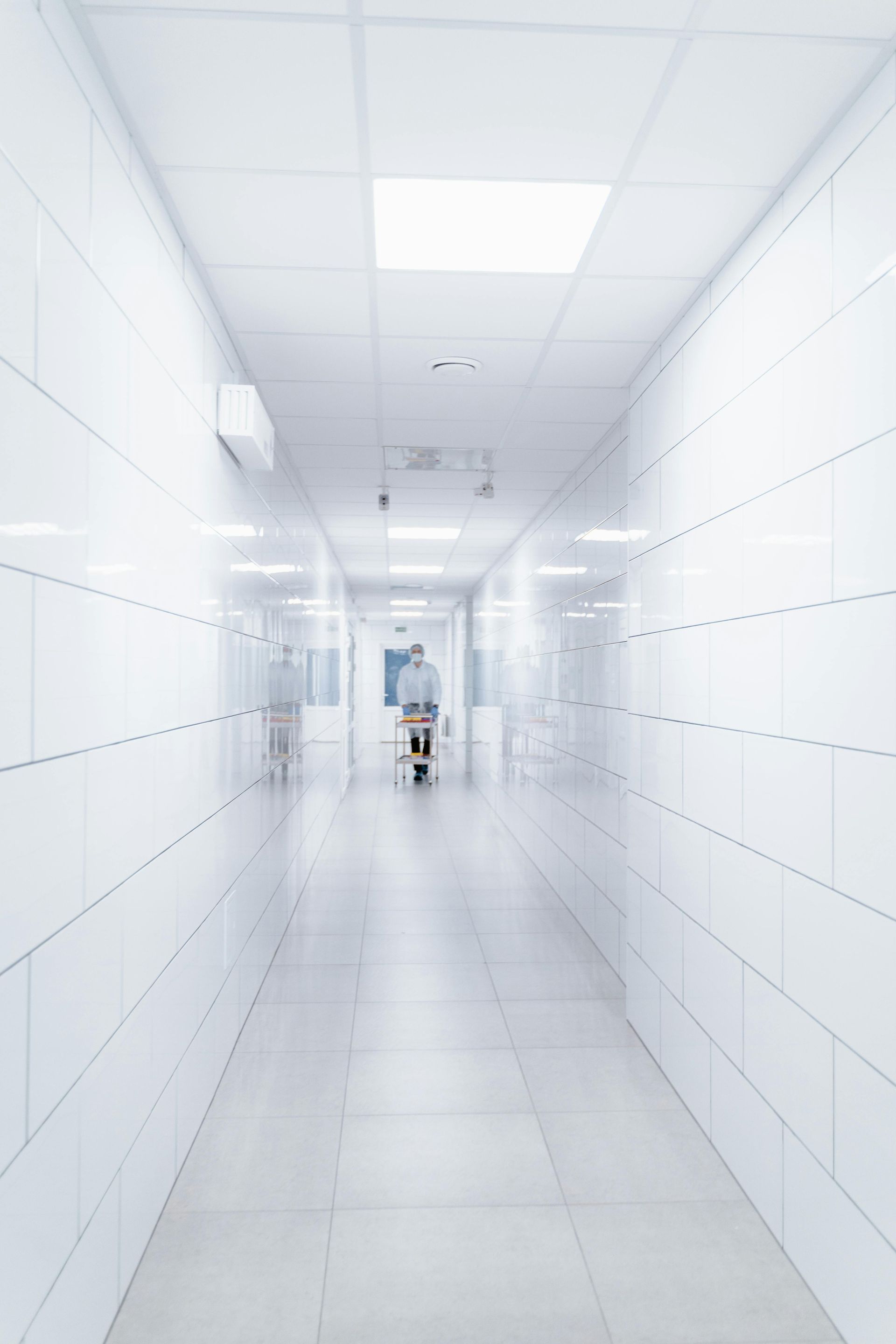
Many university campuses include healthcare facilities ranging from basic student health services to comprehensive medical centers with rehabilitation and therapy services. These environments require cleaning protocols that meet medical facility standards.
Healthcare Facility Requirements:
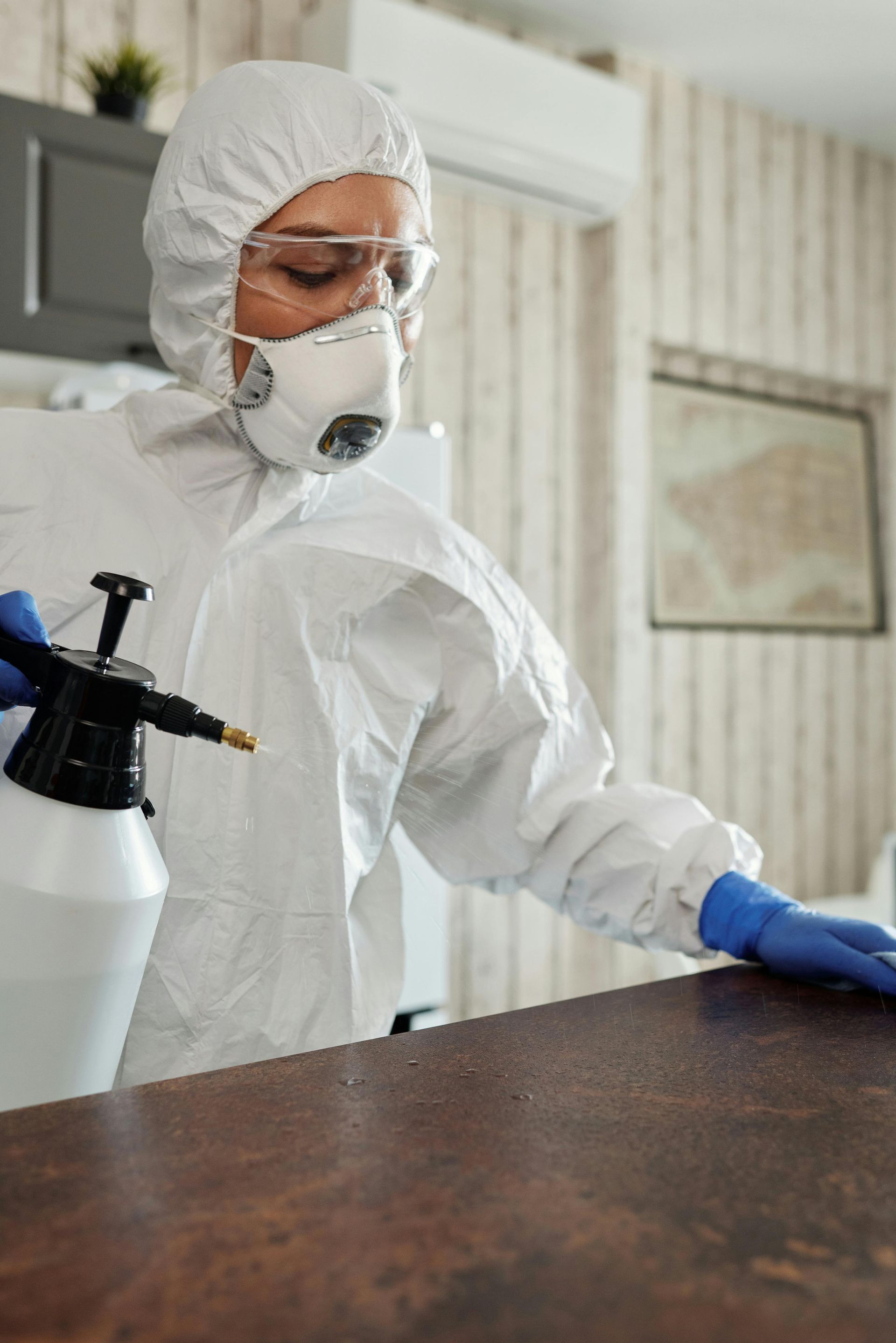
- Medical Standards: Proper handling of medical waste and approved disinfectants
- Infection Control: HIPAA compliance and patient confidentiality protocols
- Specialized Equipment: Physical therapy centers and examination rooms need targeted sanitization
- Regulatory Compliance: Meeting medical facility standards while maintaining therapeutic environments
Dining and Recreation Management:
- Food Safety: Kitchen areas requiring grease management and equipment sanitization
- High Volume Operations: Cafeterias and food courts with extended operating hours
- Athletic Facilities: Gymnasiums, fitness centers, and specialized sports equipment care
- Locker Room Maintenance: Constant attention to prevent bacterial growth and maintain sanitary conditions
Customized Cleaning Protocols and Scheduling
Effective university cleaning services develop customized protocols that address each facility's specific needs while integrating seamlessly with academic operations. This requires understanding class schedules, student activity patterns, and special events that might disrupt normal cleaning routines.
Academic Schedule Integration:
- Semester Adaptation: Cleaning schedules adjust to exam periods, breaks, and varying activity levels
- Extended Hours Management: Finals week library operations require flexible cleaning approaches
- Summer Deep Cleaning: Academic breaks allow comprehensive maintenance projects not feasible during terms
- Event Coordination: Special campus events require surge cleaning capabilities and adjusted staffing
Emergency Response Capabilities:
- Rapid Deployment: Quick response to unexpected situations and weather-related issues
- Specialized Protocols: Immediate response procedures for laboratory spills and accidents
- Scalable Services: Ability to handle sudden increases in cleaning demands
- 24-Hour Availability: Emergency cleaning support for urgent campus needs
Building-Specific Protocol Development:
- Science Facilities: Protocols for handling chemical residues and specialized waste disposal
- Arts Buildings: Careful cleaning around delicate equipment and valuable artwork
- Athletic Complexes: Specialized approaches for gymnasium cleaning and sports equipment maintenance
- Residence Halls: Residential cleaning standards that respect student privacy and living spaces
Quality Assurance and Health Standards
University cleaning services must maintain consistently high standards across diverse environments while meeting various regulatory requirements. This involves developing comprehensive quality control systems that can monitor performance across multiple building types and usage patterns.
Health and Safety Compliance:
- OSHA Regulations: Proper personal protective equipment usage and safety protocols
- Infection Control: Medical facility standards for healthcare environments
- Chemical Management: Products that minimize environmental impact while providing effective results
- Training Programs: Regular staff education on evolving safety requirements
Documentation and Reporting:
- Regulatory Compliance: Detailed tracking for healthcare facilities and laboratory spaces
- Transparency Systems: Comprehensive reporting that tracks task completion and identifies issues
- Quality Control: Regular monitoring to ensure consistent service delivery across campus facilities
Technology and Equipment for Large-Scale Operations
Modern university cleaning protocols need advanced equipment and technology systems that can handle the scale and complexity of campus operations efficiently. This includes both cleaning equipment and management systems that coordinate activities across multiple buildings and service areas.
Advanced Cleaning Equipment:
- Industrial-Grade Systems: Specialized floor cleaning equipment for large areas like dining halls and student unions
- Environment-Specific Tools: Equipment designed for laboratory spaces, healthcare facilities, and athletic complexes
- Efficiency Technology: High-capacity equipment that reduces cleaning time while maintaining quality standards
- Maintenance Integration: Equipment that supports both cleaning and preventive maintenance functions
Management and Tracking Systems:
- Progress Monitoring: Technology systems that track cleaning completion across multiple campus locations
- Staff Coordination: Digital platforms for managing assignments and optimizing workforce distribution
- Supply Management: Automated tracking of cleaning supply usage and inventory needs
- Quality Assurance: Digital reporting systems that provide transparency and accountability
Sustainable Technology Solutions:
- Energy Efficiency: Equipment that reduces power consumption while maintaining cleaning effectiveness
- Eco-Friendly Products: Environmentally safe cleaning solutions that support campus sustainability goals
- Waste Reduction: Technology that minimizes waste generation and supports recycling initiatives
- Water Conservation: Equipment and procedures that optimize water usage across cleaning operations
Staff Training and Expertise Development
University cleaning services require specialized training programs that prepare staff for the unique demands of educational environments. Professional cleaning teams must understand the complexity of campus operations while maintaining consistent service quality across diverse facility types.
Specialized Training Programs:
- Healthcare Protocols: Medical facility cleaning standards for campus health centers and therapy facilities
- Chemical Safety: Proper handling procedures for laboratory and research facility cleaning
- Cultural Sensitivity: Understanding diverse student populations and respectful cleaning approaches
- Emergency Response: Training for rapid response to spills, accidents, and urgent cleaning situations
Ongoing Education and Certification:
- Regulatory Updates: Continuous training on evolving OSHA and health department requirements
- Technology Integration: Staff education on new equipment and digital management systems
- Quality Standards: Regular assessment and improvement of cleaning techniques and procedures
- Campus Integration: Understanding academic schedules, student needs, and university operations
Performance Management:
- Quality Monitoring: Regular evaluation of cleaning effectiveness across different facility types
- Feedback Systems: Coordination with university staff and students to address specific needs
- Professional Development: Career advancement opportunities that support staff retention and expertise growth
- Safety Compliance: Ongoing monitoring of safety procedures and accident prevention protocols
Partnership and Communication Excellence
Successful university cleaning services establish strong partnerships with campus administration, facility management teams, and student services departments. Effective communication ensures cleaning operations support academic goals while maintaining operational efficiency.
Campus Integration Strategies:
- Administrative Coordination: Regular meetings with facility managers to address evolving campus needs
- Student Services Collaboration: Working with residence hall staff to support student living environments
- Academic Department Liaison: Understanding specific requirements for specialized academic facilities
- Emergency Coordination: Integration with campus safety and emergency response protocols
Communication Systems:
- Real-Time Updates: Digital platforms for reporting issues and coordinating immediate responses
- Scheduled Reporting: Regular documentation of cleaning activities and facility assessments
- Feedback Integration: Systems for receiving and responding to campus community input
- Proactive Planning: Advance coordination for special events, academic calendar changes, and facility updates
Frequently Asked Questions
What makes university cleaning different from standard office cleaning?
University cleaning requires specialized knowledge of diverse environments from dormitories to healthcare facilities, flexible scheduling around academic activities, and the ability to handle much larger-scale operations with varying usage patterns throughout the day and academic year.
How do cleaning services accommodate academic schedules?
Professional university cleaning services develop customized schedules that work around class times, exam periods, and special events, often providing services during off-peak hours and adjusting staffing levels based on campus activity patterns.
What special requirements exist for campus healthcare facility cleaning?
Campus healthcare facilities require medical-grade cleaning protocols, including proper disinfection procedures, medical waste handling, infection control compliance, and specialized training for cleaning staff working in therapeutic and rehabilitation environments.
How do cleaning services handle emergency situations on campus?
Professional cleaning services maintain rapid response capabilities for emergencies, spills, or unexpected situations, with additional staff available for deployment and specialized protocols for different types of emergency cleaning needs.
What role does sustainability play in university cleaning services?
Many universities prioritize environmental responsibility, requiring cleaning services that use eco-friendly products, energy-efficient equipment, and waste reduction strategies that align with campus sustainability initiatives and environmental goals.
Final Thoughts
University cleaning services require specialized expertise, flexible operations, and comprehensive understanding of educational environments to maintain the clean, healthy spaces essential for academic success. From basic classroom maintenance to specialized healthcare facility protocols, professional cleaning services play a crucial role in supporting the diverse needs of large campus operations while ensuring regulatory compliance and maintaining the high standards that university communities deserve.
Ready to partner with cleaning experts who understand your campus needs? Contact us today to discuss customized cleaning solutions that keep your university facilities healthy, safe, and conducive to learning.
Reference:
https://unitedallianceservices.com/learning-in-a-safe-environment/