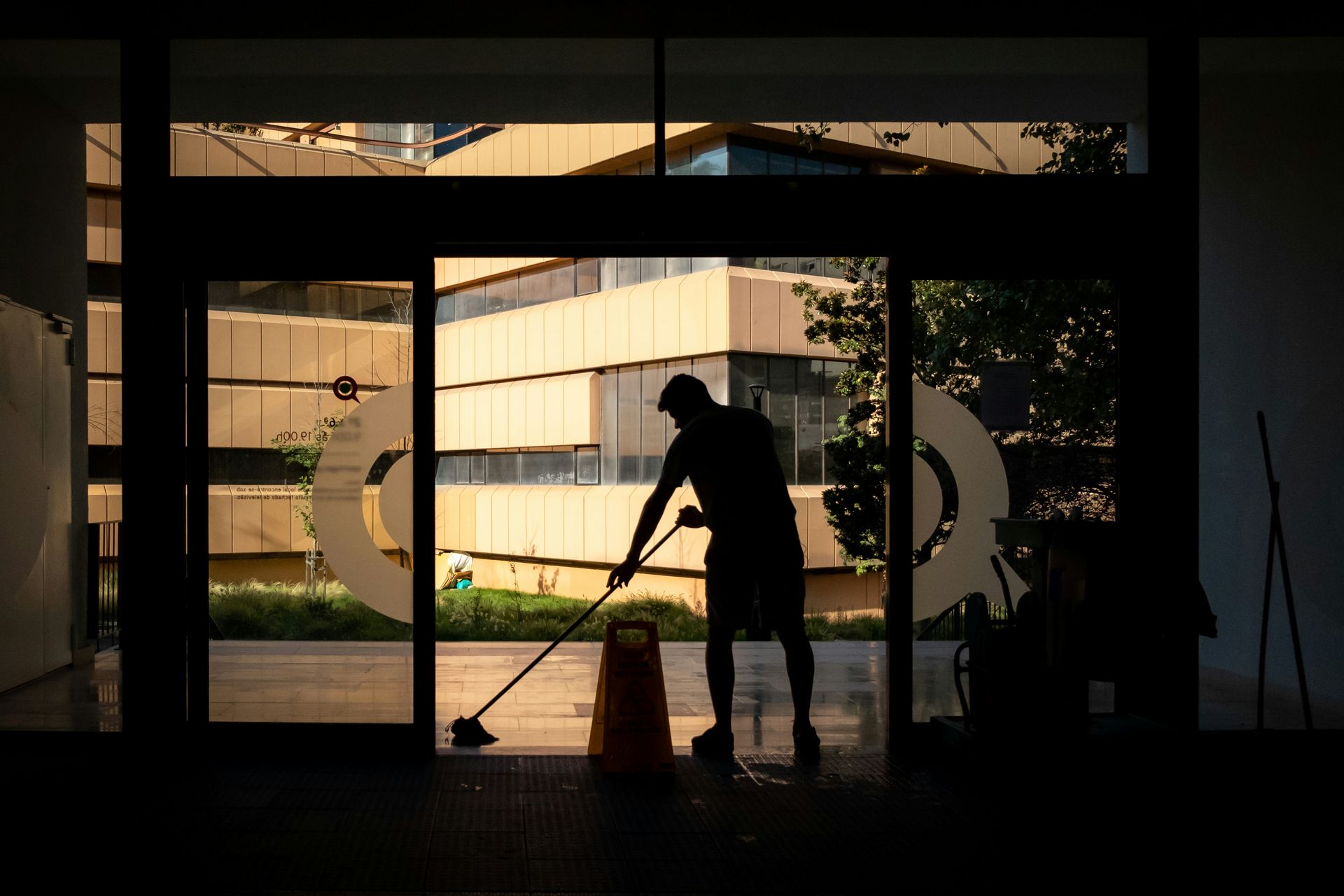
Office Cleaning Essentials: What Every Business Should Prioritize
A clean office environment protects employee health and maintains professional standards. Clean high-touch surfaces regularly and other surfaces when visibly dirty according to CDC recommendations. Proper office cleaning requires consistent protocols, appropriate supplies, and understanding which tasks need daily attention versus professional intervention.
Key Takeaways
- Daily cleaning protocols focus on high-touch surfaces, restroom maintenance, and waste management to prevent disease transmission
- EPA-registered disinfectants and proper cleaning tools form the foundation of workplace sanitization
- Professional carpet cleaning in Philadelphia and window cleaning Philadelphia services address specialized maintenance needs
- Admin office cleaning requires attention to electronics, paperwork areas, and shared equipment
- Structured cleaning schedules maintain consistency while addressing both routine tasks and periodic deep cleaning
- Employee hygiene practices complement professional cleaning efforts
High-Touch Surface Sanitization
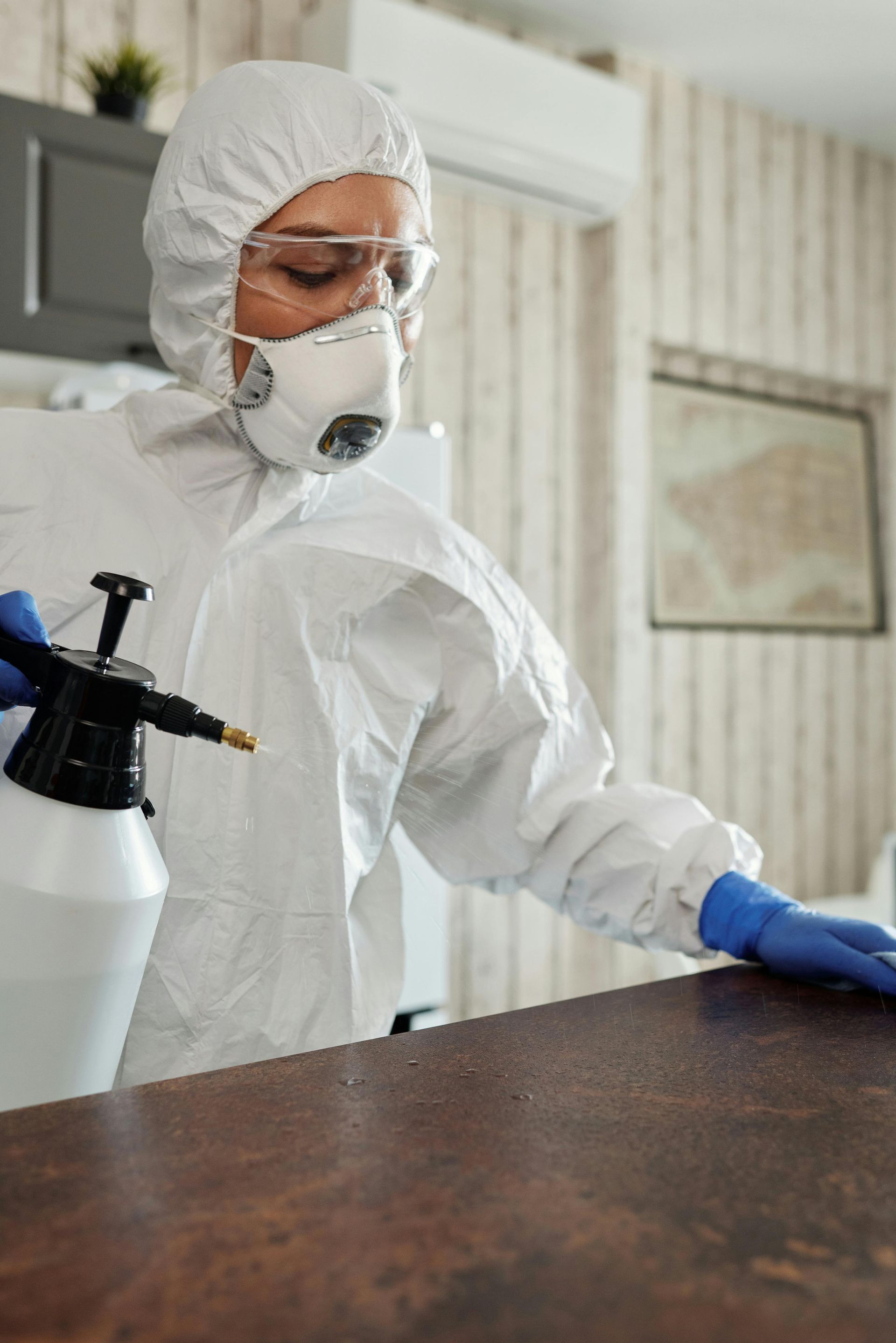
Regularly cleaning surfaces in your facility helps prevent the spread of germs that make people sick. The CDC recommends cleaning high-touch surfaces regularly to reduce pathogen transmission.
Surfaces requiring daily disinfection:
- Door handles and light switches
- Keyboards, phones, and electronics
- Conference room tables and chairs
- Elevator buttons and handrails
- Copy machines and printers
- Water dispensers and coffee stations
Always follow the directions on the label to ensure safe and effective use of the product. Contact time varies by product but typically requires keeping surfaces wet with disinfectant for specified periods to ensure pathogen elimination.
For admin office cleaning, document storage areas and filing cabinets need regular disinfection. Electronic devices should have wipeable covers when possible to simplify cleaning without damaging the equipment.
Essential Cleaning Supply Categories
The EPA regulates disinfectants to ensure the pesticide meets specific standards before it can be used by the public. Building your cleaning program requires understanding which supplies meet these standards.
Core Cleaning Solutions
- EPA-registered disinfectants: These products undergo testing to verify effectiveness against specific pathogens. EPA-registered antimicrobial products may not make efficacy claims against these pathogens unless the Agency has reviewed data to support the claim and approved the claim on the label.
- All-purpose cleaners: Multi-surface products reduce the number of specialized cleaners needed while handling routine cleaning tasks.
- Glass cleaners: Prevent streaking on windows, mirrors, and glass partitions to maintain a professional appearance.
Cleaning Tools and Equipment
- Microfiber cloths: Reusable cloths work for both dry dusting and damp cleaning without leaving streaks. Color-coding prevents cross-contamination between different areas.
- Commercial vacuum cleaners: Office environments need equipment capable of handling daily debris removal from carpets and hard floors.
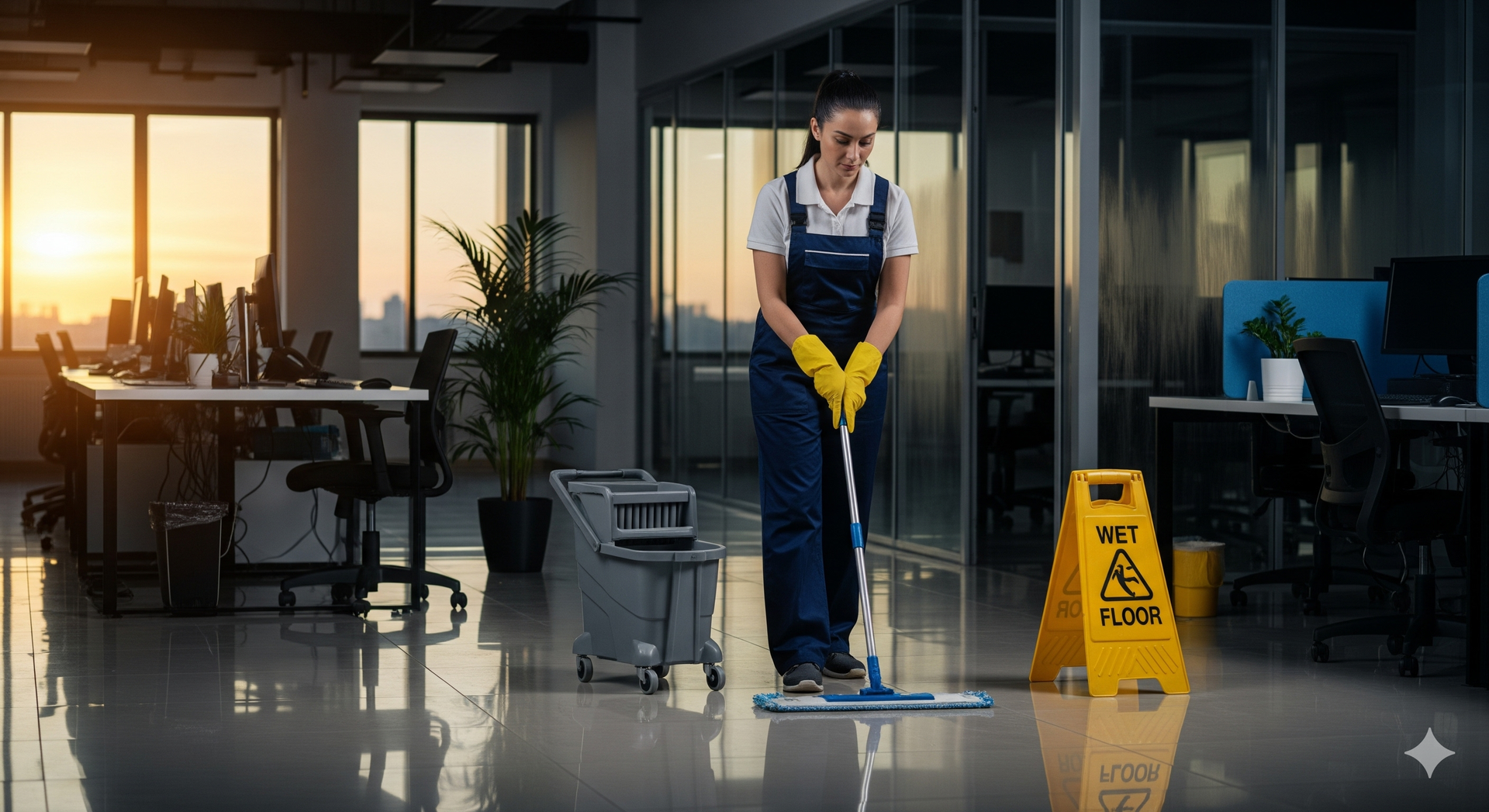
- Mops and cleaning buckets: Floor cleaning requires proper equipment for applying cleaning solutions and removing soil.
Supply Storage and Safety
Proper storage protects supplies and maintains safety. Chemical cleaners need locked storage in cool, dry locations with adequate ventilation and accessible safety data sheets.
Storage best practices:
- Separate incompatible chemicals to prevent dangerous reactions
- Label all containers clearly with contents and date
- Store heavy items on lower shelves for safety
- Keep spill cleanup materials readily accessible
- Maintain temperature-controlled environment when required
Cleaning equipment also requires proper organization. Dedicated storage areas prevent damage and ensure tools remain in working condition. Wall-mounted racks work well for mops and brooms, while mobile carts keep supplies organized during cleaning tasks.
Regular inventory checks ensure adequate supply levels without overstocking. Many businesses establish minimum quantity alerts for critical items like disinfectants and paper products to prevent stockouts during busy periods.
| Supply Category | Storage Requirements | Safety Notes |
|---|---|---|
| Chemical cleaners | Locked cabinet, cool/dry area | Ventilation required, safety sheets accessible |
| Equipment | Organized shelving or cart | Regular maintenance needed |
| Disposables | Clean, accessible storage | Maintain adequate stock levels |
Professional Cleaning Services Integration
Professional services handle tasks requiring specialized equipment or expertise. Understanding when to use professional services helps allocate cleaning budgets while ensuring thorough coverage.
Carpet cleaning services remove embedded soil and allergens that regular vacuuming cannot address. Commercial carpets typically need professional cleaning every 6-12 months, depending on foot traffic.
Professional carpet cleaning services in Philadelphia use truck-mounted or portable extraction equipment. These systems apply cleaning solutions, agitate carpet fibers, and extract soil and moisture.
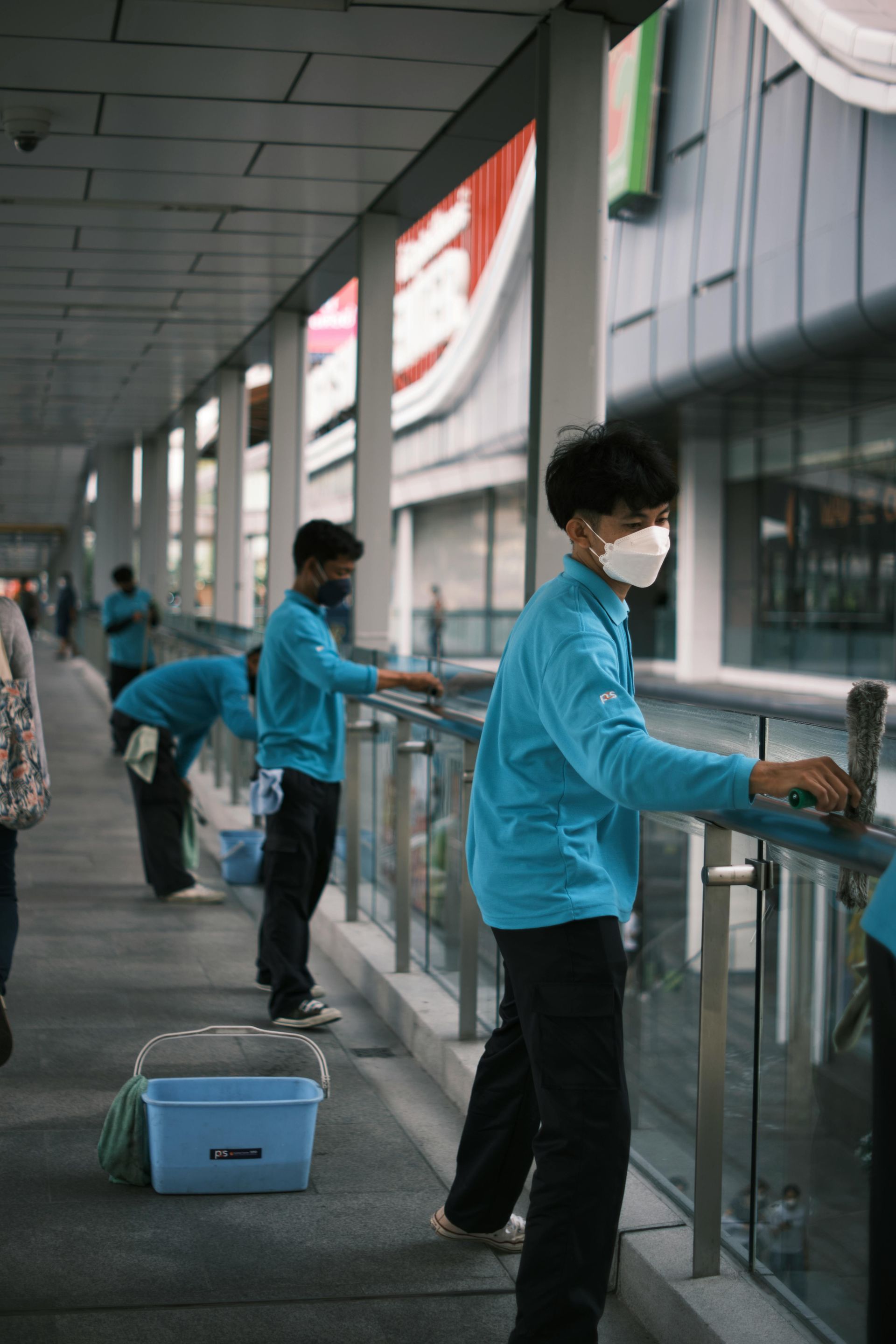
Window cleaning services handle interior and exterior glass surfaces safely and efficiently. Window cleaning Philadelphia professionals have equipment for multi-story buildings where safety considerations make internal cleaning impractical.
Deep cleaning services complement daily maintenance by addressing areas that regular cleaning cannot reach. These services typically occur quarterly or semi-annually for air vents, light fixtures, and areas behind furniture.
Service Provider Selection
When evaluating professional cleaning services, verify insurance coverage and ask for references from similar businesses. Services specializing in commercial office environments understand the challenges of maintaining spaces during business hours.
Key evaluation criteria include:
- Valid business insurance and bonding
- Experience with commercial office spaces
- Availability during non-business hours
- Use of EPA-registered cleaning products
- Staff background checks and training programs
Professional cleaning companies should provide detailed service agreements outlining specific tasks, frequencies, and quality standards. Many businesses benefit from hybrid approaches where internal staff handle daily tasks while professionals manage specialized cleaning.
Specialized Office Area Cleaning
Different office areas present unique cleaning challenges that require specific approaches and attention to detail.
Reception and Lobby Areas
Reception areas create first impressions for visitors and require consistent maintenance throughout the day. These high-traffic zones accumulate debris quickly and need frequent attention.
Daily reception area tasks:
- Vacuum entrance mats and replace when saturated
- Clean glass doors and surfaces for fingerprint removal
- Dust reception furniture and decorative items
- Empty trash and recycling containers
- Sanitize waiting area seating and tables
Reception areas often contain upholstered furniture that needs regular vacuuming and periodic professional cleaning. Hard surfaces like marble or tile floors may require specific cleaning products to maintain appearance without damage.
Open Office Workspaces
Open office designs present unique challenges due to shared air circulation and numerous workstations in close proximity. These areas require balanced cleaning that maintains hygiene without disrupting productivity.
Workstation cleaning procedures:
- Wipe down desk surfaces with appropriate disinfectants
- Clean computer monitors using electronics-safe products
- Sanitize keyboards and mouse devices
- Empty individual waste containers
- Dust office equipment and personal items
Shared office equipment, like printers and scanners, needs daily disinfection between users. Consider placing hand sanitizer stations near these devices to reduce contamination.
Conference and Meeting Rooms
Meeting spaces require thorough cleaning between uses, especially when multiple groups use the same room daily. These areas need quick turnover times while maintaining high cleanliness standards.
Conference room cleaning includes table sanitization, chair cleaning, audiovisual equipment dusting, and whiteboard or presentation surface cleaning. Many offices schedule brief cleaning sessions between meetings during busy days.
Daily Cleaning Protocols and Scheduling
Routine cleaning is necessary no matter what industry you're in, and the CDC recommends cleaning at least once a day. Consistent daily routines prevent small problems from becoming larger issues while maintaining workplace health standards.
Morning Tasks
Daily preparation includes:
- Empty trash receptacles and replace liners
- Restock restroom supplies (soap, paper towels, toilet paper)
- Disinfect high-touch surfaces in common areas
- Clean water dispensers and coffee stations
Additional morning considerations:
- Check for spills or damage from the previous day
- Ensure adequate lighting in all areas
- Verify HVAC systems are functioning properly
- Set up cleaning stations for day porter services
Morning preparation sets the foundation for maintaining cleanliness throughout the business day. Early morning cleaning allows time for surfaces to dry and air to circulate before employees arrive.
Midday Maintenance
If the space is a highly trafficked area, you may decide to clean it multiple times a day to keep infection at bay. High-use areas benefit from additional cleaning throughout the peak usage periods.
Focus on doorknobs, light switches, shared equipment, and break room surfaces during peak usage periods. Day porter services work particularly well for busy offices where continuous cleaning maintains standards without disrupting operations.
Midday tasks may include:
- Restocking paper towels and soap dispensers
- Spot cleaning spills and high-traffic areas
- Sanitizing shared equipment after heavy use periods
- Emptying overflowing waste containers
End-of-Day Tasks
Closing procedures prepare the office for the next business day:
- Vacuum high-traffic areas and entrance mats
- Clean and disinfect restroom surfaces completely
- Wipe down kitchen areas and eating spaces
- Secure cleaning supplies and restock for the next day
Comprehensive end-of-day cleaning includes:
- Turning off electronic equipment and cleaning screens
- Organizing common areas and removing personal items
- Checking the security of cleaning supply storage areas
- Documenting any maintenance issues requiring attention
Weekly Deep Cleaning
Weekly tasks supplement daily routines and include dusting all surfaces, mopping floors, vacuuming upholstered furniture, and cleaning interior glass surfaces.
Weekly cleaning addresses areas that daily maintenance cannot cover effectively. This includes moving furniture for floor cleaning, detailed restroom sanitization, and thorough kitchen deep cleaning, including appliance interiors.
Restroom and Common Area Maintenance
Disinfect toilet seats on both sides as part of daily restroom maintenance. Restrooms require specialized attention due to their role in preventing disease transmission.
Restroom Protocols
- Daily surface cleaning: Disinfect toilets, sinks, faucets, mirrors, and dispensers with appropriate products. Keep disinfectants out of the reach of children and follow all label instructions.
- Supply management: Monitor and restock soap, paper towels, and toilet paper throughout the day. Consider automatic dispensers to reduce touch points.
- Ventilation: Maintain proper air circulation to prevent moisture buildup and control odors.
Break Room Maintenance
Food preparation areas need daily cleaning and disinfecting of all surfaces. Discard any food remains left by employees that would attract bugs.
Daily break room cleaning includes:
- Wipe down all countertops and tables with disinfectant
- Clean microwave interior and exterior surfaces
- Empty and sanitize coffee makers and water dispensers
- Clean refrigerator handles and exterior surfaces
- Sweep and mop floors, paying attention to spill areas
Refrigerator and microwave cleaning prevent bacteria growth and odor problems. Weekly deep cleaning of these appliances maintains food safety standards and prevents cross-contamination.
Weekly break room tasks:
- Clean refrigerator interior and remove expired items
- Deep clean microwave with appropriate cleaning solutions
- Sanitize cabinet handles and drawer pulls
- Clean sink and faucet thoroughly, including the drain area
- Wash and sanitize trash containers
Break rooms may require additional attention during busy periods when multiple employees use facilities simultaneously. Consider providing sanitizing wipes for employee use between meals to maintain cleanliness standards.
Frequently Asked Questions
What cleaning supplies are essential for office maintenance?
EPA regulates disinfectants to ensure the pesticide meets specific standards before it can be used by the public. Essential supplies include EPA-registered disinfectants, all-purpose cleaners, microfiber cloths, paper towels, and proper safety equipment.
How often should high-touch surfaces be disinfected in an office environment?
Clean high-touch surfaces regularly according to CDC guidelines. Most offices benefit from at least twice-daily disinfection of frequently touched surfaces like door handles and shared equipment.
When should businesses hire professional cleaning services versus handling cleaning internally?
Professional services work best for specialized tasks requiring expert equipment, like carpet extraction or high-window cleaning. Daily maintenance tasks can often be handled internally with proper training and supplies.
What areas of the office require the most attention during daily cleaning?
Restrooms, break rooms, high-traffic entrances, and shared work areas need the most attention due to heavy use and higher contamination risk. Admin office cleaning should focus on document areas and electronics.
How can businesses ensure their cleaning protocols meet health and safety standards?
Always follow the directions on the label to ensure safe and effective use of the product. Follow CDC guidelines, use EPA-registered disinfectants, maintain proper contact times, and document cleaning schedules consistently.
Final Thoughts
Office cleaning requires balancing daily maintenance with professional services to create healthy work environments. Consistent sanitization of high-touch surfaces, proper supplies, and regular schedules protect employee health while maintaining professional standards. Success depends on understanding which areas need attention, appropriate timing, and maintaining these standards over time.
Ready to maintain a spotless office environment? Avail of our professional cleaning services today for a customized cleaning plan that keeps your workplace healthy and productive.
Reference:
https://www.cdc.gov/index.html